

In the rapidly evolving world of technology, the sustainability of independent journalism remains one of the most critical challenges for the Free and Open Source Software (FOSS) community. For 14 years, It’s FOSS has served as a cornerstone for Linux enthusiasts, developers, and everyday users. However, as the traditional ad-driven revenue model faces structural decline, the publication is at a pivotal crossroads, calling upon its community to redefine the future of independent tech journalism.
The Financial Crossroads: A Shift in Sustainability
Last week, the editorial team at It’s FOSS took the unusual step of addressing its readership with radical transparency regarding the platform’s financial health. The ad-driven model, which has supported the site for over a decade, is no longer sufficient to sustain high-quality, independent reporting in an era dominated by algorithmic feed adjustments and plummeting CPMs.

The response from the community was both immediate and profound. Within days, 112 readers committed to a "Lifetime Plus" membership, while countless others offered one-time donations—metaphorically "buying a coffee" to keep the lights on. This surge of support acts as a litmus test for the viability of community-funded journalism.
Why the Paywall Remains Forbidden
A significant concern raised by the community was the fear that It’s FOSS might move its content behind a paywall. The editorial stance remains firm: the core mission is to provide accessible, high-quality Linux education. The Plus membership is not designed as a gatekeeper but as a mechanism for collective sustainability. By contributing, members are effectively subsidizing the access of students, job seekers, and those in emerging economies who cannot afford subscriptions. This philanthropic approach to content delivery ensures that the barrier to entry for the Linux ecosystem remains non-existent.

The Pulse of the Linux Kernel and Desktop Environments
While the publication navigates its internal financial transition, the broader Linux ecosystem continues to push boundaries at a breakneck pace.
Linux 7.1 and the Evolution of Desktop Standards
The release of Linux 7.1 marks a significant milestone for the kernel, specifically regarding storage and hardware compatibility. The introduction of an improved NTFS driver is a welcomed development for those in dual-boot environments. Furthermore, the decision to enable Intel’s Flexible Return and Event Delivery (FRED) by default underscores a commitment to modernization, while long-overdue audio fixes for the Steam Deck OLED demonstrate the kernel’s growing importance in the gaming sector.

Parallel to kernel development, KDE Plasma 6.7 has arrived, bringing with it a suite of refinements and a nostalgic nod to the past with the return of two classic themes. However, the most significant shift in the desktop space remains the industry-wide migration away from X11. While major players like Ubuntu and Fedora are moving decisively toward Wayland, the emergence of yserver—a new, Rust-based X11 server—presents a fascinating counter-narrative. By stripping away decades of "cruft," the developers behind yserver aim to provide a modern, streamlined experience that respects the needs of contemporary hardware while acknowledging the legacy of X11.
Supply Chain Vulnerabilities: The AUR Incident
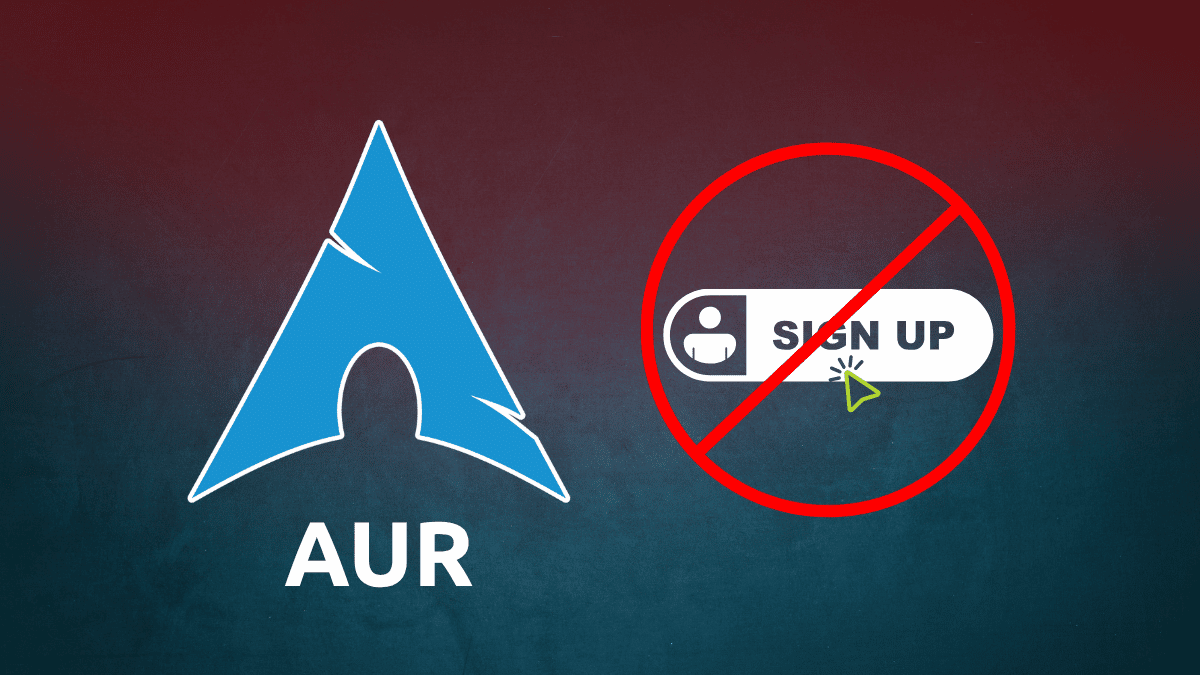
The recent security crisis involving the Arch User Repository (AUR) serves as a stark reminder of the risks inherent in community-maintained infrastructure. Over the span of a single week, the AUR faced three distinct waves of malware, compromising more than 1,500 packages.
Lessons from the Breach
The incident forced the Arch Linux team to temporarily suspend new account registrations, a drastic move that highlights the fragility of open-source supply chains. The fallout has sparked a necessary conversation about the vetting process for community contributions.
- Decentralized Risk: The AUR’s open nature is its greatest strength and its primary weakness.
- Proactive Mitigation: The release of Yay v13, which includes new security features for spotting potentially malicious packages, represents a shift toward more defensive package management.
The incident underscores the need for users to exercise extreme caution and verify the provenance of any software installed from third-party repositories.

Hardware Innovation: From Smart Glasses to Retro Flip Phones
The hardware sector is seeing a renewed interest in Linux-based alternatives to the Android/iOS duopoly.
The Commodore Callback 8020
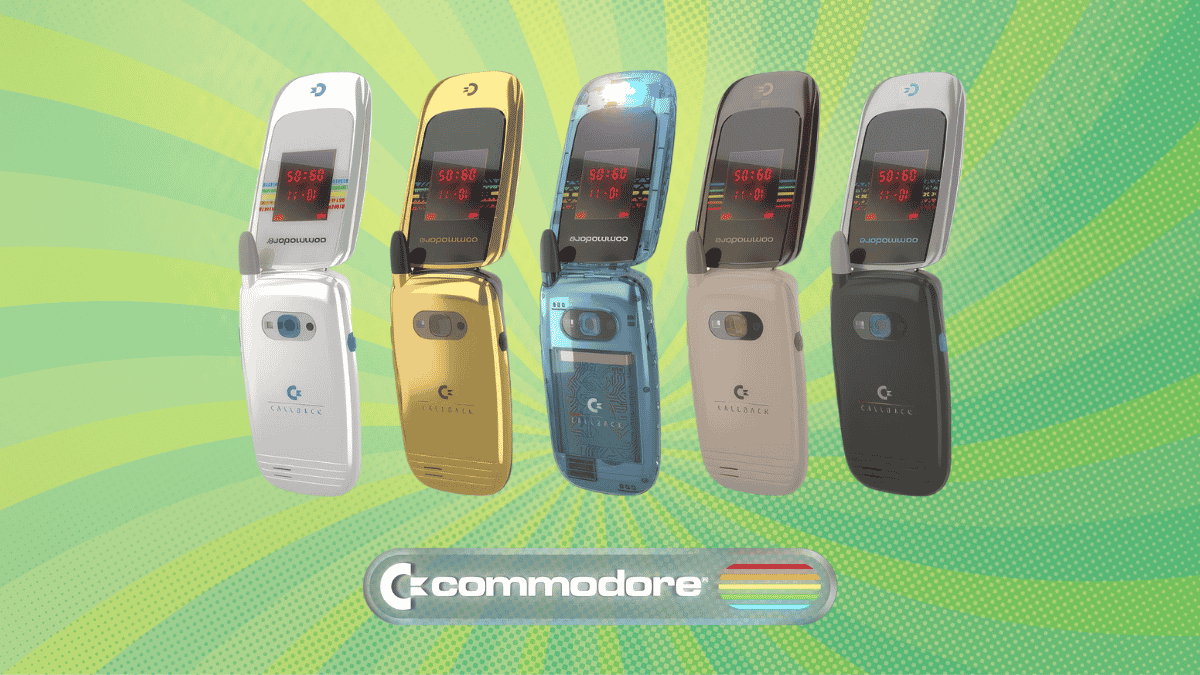
In a surprising move, the legendary brand Commodore has partnered with Jolla to release the "Callback 8020," a flip phone powered by Sailfish OS. The device is specifically marketed as an "anti-doomscrolling" tool, focusing on intentional usage. Notably, the device maintains compatibility with Android applications, bridging the gap between niche Linux mobile enthusiasts and the functional requirements of the modern consumer.
Raven Prism and Ambient Computing
The Raven Prism, a pair of smart glasses powered by Linux, marks a foray into "ambient computing." While the software stack is notably not open source, the hardware’s reliance on a Linux kernel for an eye-controlled interface demonstrates the platform’s versatility in emerging fields like augmented reality and wearable technology.
Implications for the Future
The state of the FOSS ecosystem is currently defined by a tension between growth and security. As projects like KDE and GNOME refine the desktop experience, the underlying infrastructure—the kernel, the package managers, and the news outlets covering them—must adapt to a more hostile security environment and a more precarious economic reality.

Official Response and Community Call to Action
The editorial team at It’s FOSS has set a target of 200 lifetime members by June 25th. This goal is not merely a financial milestone; it is a declaration of independence. By hitting this target, the publication secures its editorial autonomy, ensuring it does not have to compromise on its coverage or bow to the pressures of venture-capital-backed tech media.
For those who have already contributed, the message is one of gratitude. For those who have yet to participate, the current window offers a $30 discount on the lifetime membership—a small price for the long-term preservation of one of the internet’s most valuable Linux resources.
A Legacy of Innovation: Tech Trivia
Reflecting on the history of computing, it is essential to acknowledge figures like Tommy Flowers. While Alan Turing is rightfully celebrated for his role in WWII, Flowers’ contribution to the Colossus computer—the world’s first programmable, electronic, digital computer—often goes overlooked. By utilizing 1,800 thermionic valves, Flowers proved that vacuum tubes could be reliable in a computing context, a breakthrough that paved the way for the digital revolution. The recent installation of a blue plaque at his former research site in London serves as a fitting tribute to a man who, using spare telephone parts, changed the trajectory of the 20th century.
Conclusion
The story of It’s FOSS is the story of the broader open-source movement: it is a story of resilience, community reliance, and a constant drive for innovation. As we look toward the next 14 years, the path forward is clear. Whether it is through supporting independent journalism, contributing to the Linux kernel, or auditing community-maintained repositories, the strength of the FOSS community lies in the active participation of its members. The tech landscape is shifting, and for those who value freedom, transparency, and high-quality information, there has never been a more important time to engage.
